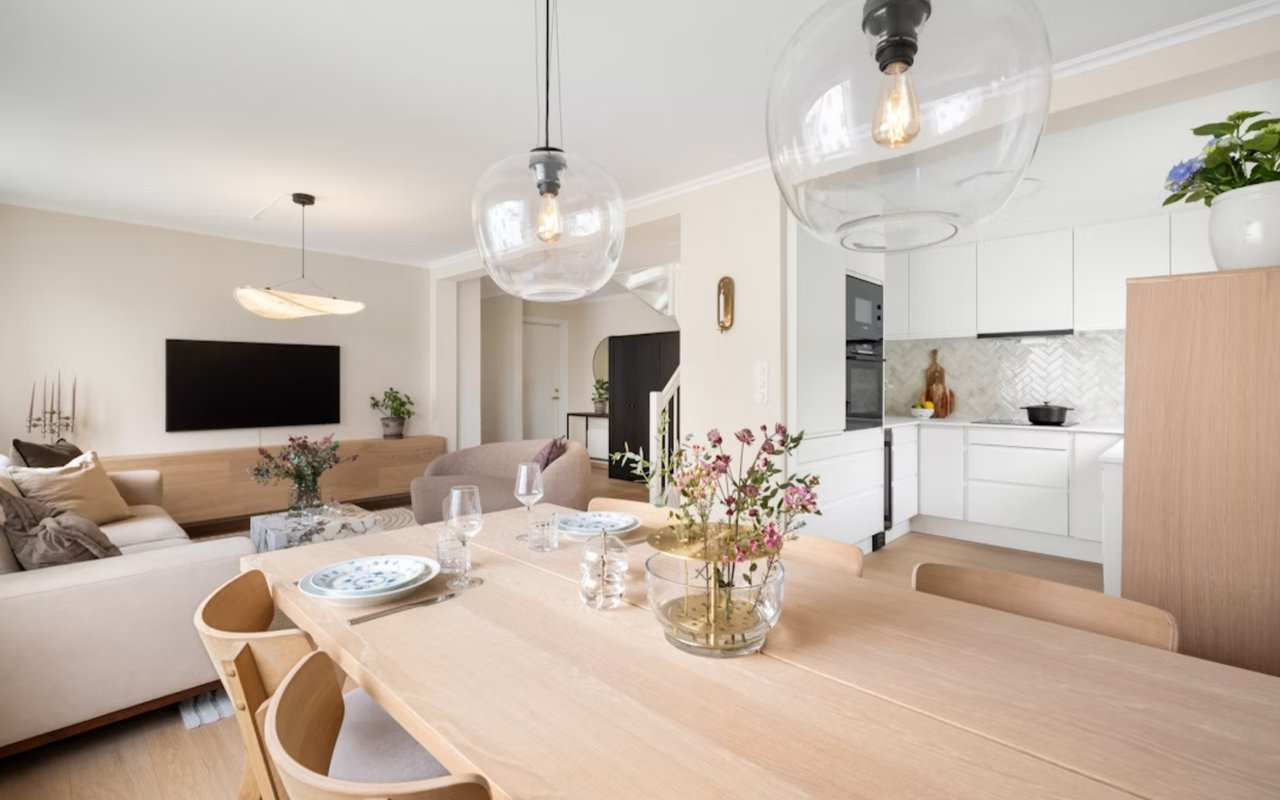
You want to move to Manhattan, unpack, and start living without weeks of contractors, paint swatches, and budget creep. A move-in ready living space provides exactly that. The question is whether that convenience, predictability, and efficiency align with your budget, desire for customization, and long‑term objectives. This guide will break the decision down so that you can weigh the trade-offs clearly, avoid surprises, and feel confident about your next step as you move forward.
What “Move-In Ready” Really Means (And What It Does Not)
“Move-in ready” usually indicates that the residence is fully habitable, functional, and requires no immediate repairs before you start moving in. Major systems should be operational, surfaces and fixtures are typically updated, and the space is clean, functional, and prepared for immediate occupancy. You can expect working plumbing components, a serviceable roof, a heating and cooling system that performs as expected, and appliances that turn on without drama.
However, it does not necessarily mean brand-new everything, designer-level finishes, or zero maintenance for the next decade. Some move-in ready properties still feature older roofs that will need replacing within a few years or original windows that may be inefficient compared with modern alternatives.
However, it does not necessarily mean brand-new everything, designer-level finishes, or zero maintenance for the next decade. Some move-in ready properties still feature older roofs that will need replacing within a few years or original windows that may be inefficient compared with modern alternatives.
The Clear Upside: Speed, Predictability, And Lower Stress
If you are relocating for work, working with a compressed timeline, or juggling many priorities, the value of efficiency is hard to overstate. A move-in ready property lets you avoid lining up contractors, waiting for materials to arrive, and living in a construction zone. You close on the property, you move in, and the next chapter begins. That simplicity often saves you from hidden costs that appear when you open up walls, change floor plans, or uncover deferred maintenance.
Predictable costs are another win. Your down payment, closing costs, and basic move-in expenses are much easier to plan for when you do not have a renovation phase to budget, manage, and monitor. For many buyers, the extra money paid upfront is worth the certainty that follows.
Predictable costs are another win. Your down payment, closing costs, and basic move-in expenses are much easier to plan for when you do not have a renovation phase to budget, manage, and monitor. For many buyers, the extra money paid upfront is worth the certainty that follows.
The Trade-Off: Paying A Premium For Finished Work
You usually pay more for someone else’s upgrades, as sellers price in the improvements they made to the property, the convenience they offer, and the reduced effort you will spend after closing. That premium may be fully justified if time is your scarcest resource, if you lack renovation experience, or if local contractor availability is tight and expensive.
However, if you enjoy remodeling, are seeking a very specific style within the space, or feel comfortable managing renovation projects, you might prefer to buy a well-located home that needs enhancements. Taking this path can meaningfully improve long-term equity, especially if you execute renovations efficiently and choose improvements with exceptional resale appeal.
However, if you enjoy remodeling, are seeking a very specific style within the space, or feel comfortable managing renovation projects, you might prefer to buy a well-located home that needs enhancements. Taking this path can meaningfully improve long-term equity, especially if you execute renovations efficiently and choose improvements with exceptional resale appeal.
Personalization: How Much Do You Need The Home To Feel Like You?
Move-in ready homes are often finished to appeal to the broadest audience. Neutral color palettes, popular countertop materials, and mainstream fixture choices are common. If you are happy with the finishes as-is, it’s a win-win.
However, if you are intrigued by specific architectural details, certain finishes, or unique built-ins, buying an already-renovated space can limit you. While you can, of course, update a move-in ready home later on, that means you will be paying for someone else’s upgrades and then paying again to replace them.
However, if you are intrigued by specific architectural details, certain finishes, or unique built-ins, buying an already-renovated space can limit you. While you can, of course, update a move-in ready home later on, that means you will be paying for someone else’s upgrades and then paying again to replace them.
Timeline And Lifestyle: Be Honest About Your Capacity
Renovation is not just about money. It is also about bandwidth. If your schedule is packed or if you simply do not want to make hundreds of small decisions about grout lines and cabinet pulls, a move-in ready home could be the right call. You get your evenings and weekends back, which can be invaluable.
On the flip side, if you love the process, if you have a flexible move-in date, or if you already have a trusted contractor in mind, you might enjoy shaping a place to match your exact vision. The key is to be honest about your tolerance for delays, dust, and decision fatigue. Overestimating your capacity is where regret often starts.
On the flip side, if you love the process, if you have a flexible move-in date, or if you already have a trusted contractor in mind, you might enjoy shaping a place to match your exact vision. The key is to be honest about your tolerance for delays, dust, and decision fatigue. Overestimating your capacity is where regret often starts.
Inspections Still Matter
It’s important not to skip the inspection just because the house looks spotless. For instance, cosmetic updates can mask aging systems or moisture issues. Ask the inspector to pay extra attention to big-ticket items, such as the roof, HVAC, foundation, and electrical panels. If the seller completed recent work, request documentation, permits, and warranties where applicable.
Use the inspection to build a realistic maintenance runway. Even if everything is fully functional on day one, you should know what will likely need attention in three, five, and ten years. That foresight helps you plan reserves, negotiate strategically, and avoid surprises.
Use the inspection to build a realistic maintenance runway. Even if everything is fully functional on day one, you should know what will likely need attention in three, five, and ten years. That foresight helps you plan reserves, negotiate strategically, and avoid surprises.
The Bottom Line
A move-in ready home is ideal when you want speed, predictability, and as little post-closing hassle as possible. You often pay more upfront, but you buy back time, reduce risk, and simplify your move-in journey. If you value personalization and want to shape a space to fit your dreams, a home that needs some work may be a better match. With that clarity, you will know whether turnkey convenience or renovation opportunity serves you best.
If you’re ready to discover everything that Manhattan real estate has to offer, Mirador Real Estate is in your corner. Reach out today to begin.
If you’re ready to discover everything that Manhattan real estate has to offer, Mirador Real Estate is in your corner. Reach out today to begin.
