By Mirador Real Estate
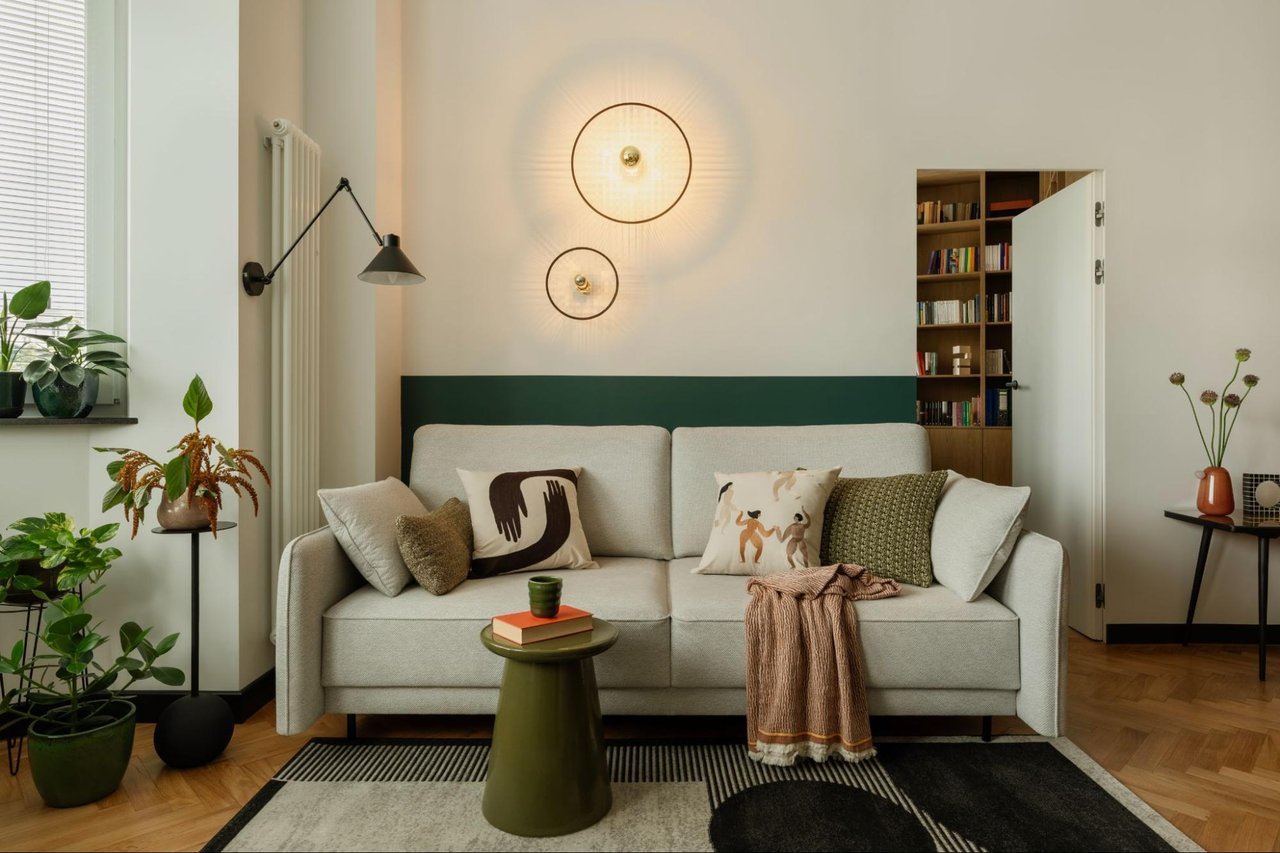
Manhattan rewards people who think creatively about space. A studio in the West Village or a one-bedroom on the Upper East Side can feel tight on move-in day, but the right layout choices, storage habits, and neighborhood routines can make it feel generous. We put together this guide to help you get more comfort, function, and style out of small-space living in Manhattan.
Key Takeaways
- Zone a studio or one-bedroom so each area has a clear purpose.
- Use vertical and hidden storage to free up floor space.
- Check your lease or building rules before making changes.
- Treat parks and libraries as extensions of your home.
Start With How You Actually Use the Space
Before buying a single piece of furniture, map how your day moves through the apartment. An alcove studio in Murray Hill and a long, narrow layout in the East Village solve very different problems. The plan should follow the floor plan, not a catalog photo.
Ways to Create Zones Without Adding Walls
- Rugs as boundaries: A rug under the sofa and another under a small dining table signal two separate rooms within one open space.
- Open shelving dividers: A double-sided bookcase separates a sleeping nook from the living area while still letting light from a single window pass through.
- Lighting by zone: A pendant over the table, a floor lamp by the sofa, and a bedside sconce let each area feel distinct after dark.
- Alcove placement: In an alcove studio, the alcove often works well as the bedroom, which keeps the main room open for guests and daytime living.
Furniture That Earns Its Footprint
In a compact Manhattan apartment, every piece should do at least two jobs. The goal is not minimalism for its own sake. It is furniture that adapts as your day shifts from work to dinner to sleep.
Multi-Purpose Pieces Worth Considering
- Wall beds: A fold-down bed can turn a Hell's Kitchen studio into a full living room during the day.
- Extendable dining tables: A drop-leaf or gateleg table seats two on weeknights and expands for a holiday dinner with friends.
- Storage ottomans and benches: These hold blankets, board games, or off-season shoes while adding extra seating.
- Nesting tables: A set of two or three slides together when not in use and spreads out when company arrives.
Storage Strategies That Go Up, Under, and Out of Sight
Many Manhattan apartments trade closet space for location, especially in pre-war buildings where closets were designed for far fewer belongings. Thinking vertically and looking for hidden cavities can uncover more room than you might expect.
Storage Ideas for Tight Manhattan Floor Plans
- Over-door organizers: The back of a bathroom or closet door can hold toiletries, cleaning supplies, or shoes.
- Raised bed frames: Lifting the bed creates space underneath for rolling bins, luggage, or a compact desk.
- Rails and magnetic strips: Hanging knives, utensils, and pans in a galley kitchen frees up drawers and counter space.
- Off-site storage: Self-storage facilities across Manhattan give you a place for skis, holiday decor, and summer furniture.
Know What You Can Change Before You Start
Renters and owners in Manhattan both work within rules. A rental lease may limit drilling, painting, or mounting heavy items, while co-op and condo buildings often require board or managing agent approval for alterations. A quick check upfront can protect a security deposit and your relationship with the building.
Questions to Ask Before Making Changes
- Mounting and drilling: Ask whether wall-mounted shelves, TVs, or curtain rods are allowed and how holes should be patched at move-out.
- Appliance rules: Confirm whether in-unit washers, dryers, or dishwashers are permitted before buying one, since many Manhattan buildings restrict them.
- Paint and finishes: Find out if you can paint and whether walls need to be returned to their original color.
- Renter-friendly options: Tension rods, adhesive hooks, freestanding shelving, and peel-and-stick backsplash add function without permanent changes.
Let the Neighborhood Become Part of Your Home
One of the real advantages of small-space living in Manhattan is how much life happens outside your front door. When your apartment does not have to hold a home office, a backyard, and a gym, it can focus on comfort and rest.
Spaces That Extend Your Square Footage
- Parks as backyards: Central Park, Riverside Park, Carl Schurz Park, and Tompkins Square Park offer room to stretch out, read, or picnic.
- Libraries as offices: The Stavros Niarchos Foundation Library in Midtown and the Jefferson Market Library in Greenwich Village provide quiet places to work.
- Waterfront paths: Hudson River Park and the East River Esplanade offer long stretches for running, biking, or an evening stroll.
- Building amenities: Roof decks, resident lounges, and fitness rooms in many buildings take pressure off a compact unit.
FAQs
How can I make my Manhattan studio feel bigger?
Focus on light and sightlines. Mirrors across from windows, furniture with visible legs, and a consistent color palette help a studio read as one open room instead of a crowded one.
Is off-site storage worth it in Manhattan?
For many residents, it is. Moving seasonal gear and rarely used items out of the apartment can make daily life far more comfortable, and it is worth comparing that monthly cost against the price difference of a larger unit.
Can renters add built-in storage?
It depends on your lease and your building. Freestanding wardrobes, tension systems, and furniture with hidden compartments are reliable alternatives, and it is smart to get written approval before anything is attached to a wall.
Reach Out to Mirador Real Estate Today
Small-space living in Manhattan is about choosing the right layout as much as the right neighborhood. Whether you are searching for an apartment with a smart floor plan or getting ready to lease your own unit, our team would love to help.
Reach out to us at Mirador Real Estate to talk through your goals. We can help you compare layouts across Manhattan neighborhoods and find a space that fits your daily routine.
